

Like every child, I adored my box of crayons.
I enjoyed colouring and drawing to my heart’s content, as a form of expression, and as a way to have inexpensive fun. However, I never considered a career as an artist. In fact, I actually wanted to be a veterinarian or marine biologist by the time I was 12.
It wasn’t until I began attending secondary school and had a dedicated art class that I considered that art could be just as valuable as other subjects, such as mathematics or science. I began to find joy in learning art theory and completing assigned projects for class. This later led me to pursue art as a subject for my CSEC (Caribbean Secondary Education Certificate) Examinations, a mandatory aspect of secondary education for Caribbean students. At the end of year five, students must choose to pursue and pass the subsequent exams of at least five subjects, including English and mathematics. The subjects chosen are typically meant to align with a student’s future career ambitions.
At this point, I no longer had a firm idea of what I wanted to do with my life. Gone was the self-assuredness of childhood, and in its place, the uncertainty of a teenager trying to figure out her life path. I felt like a full-time career as an artist was a world away, and feared falling victim to the “starving artist” trope. But I trusted in the joy and satisfaction I got from creating and spent two years assembling a traditional artist portfolio to submit for my final grade along with my final exam.
I eventually passed that subject, having obtained a Grade two, but I left school feeling like I didn’t have a core understanding of the art fundamentals. How do I mix colours? How do I draw a portrait? How do I create the sort of art I wanted to, no longer bound by a school rubric and curriculum?
So like most Gen Z youth, I found myself on YouTube. I began viewing the techniques of contemporary artists and developed a deep appreciation for traditional painting. I began teaching myself how to paint using the most affordable acrylic paints and canvas panels I could find. I followed the profiles of heaps of artists on both YouTube and Instagram, becoming inspired by the works of art they created in their studios.
Not too long after, I discovered another art medium – digital art. No longer were tools like brushes and paints necessary. One could simply connect a drawing tablet to their computer and together with a stylus, create amazing digital art pieces. I was mesmerized, but intimidated. It was a brand new skill and interface to learn. Traditional art is very straightforward. What you see is what you get.
Digital art involves different components and an understanding of how your digital art software works. But I wanted another way to experience making art. And while I loved the tactile experience of painting, skipping the setup and cleanup process at times became an appealing thought. So I invested in a Huion drawing tablet, downloaded the free drawing software Krita, and began experimenting with a few pieces.
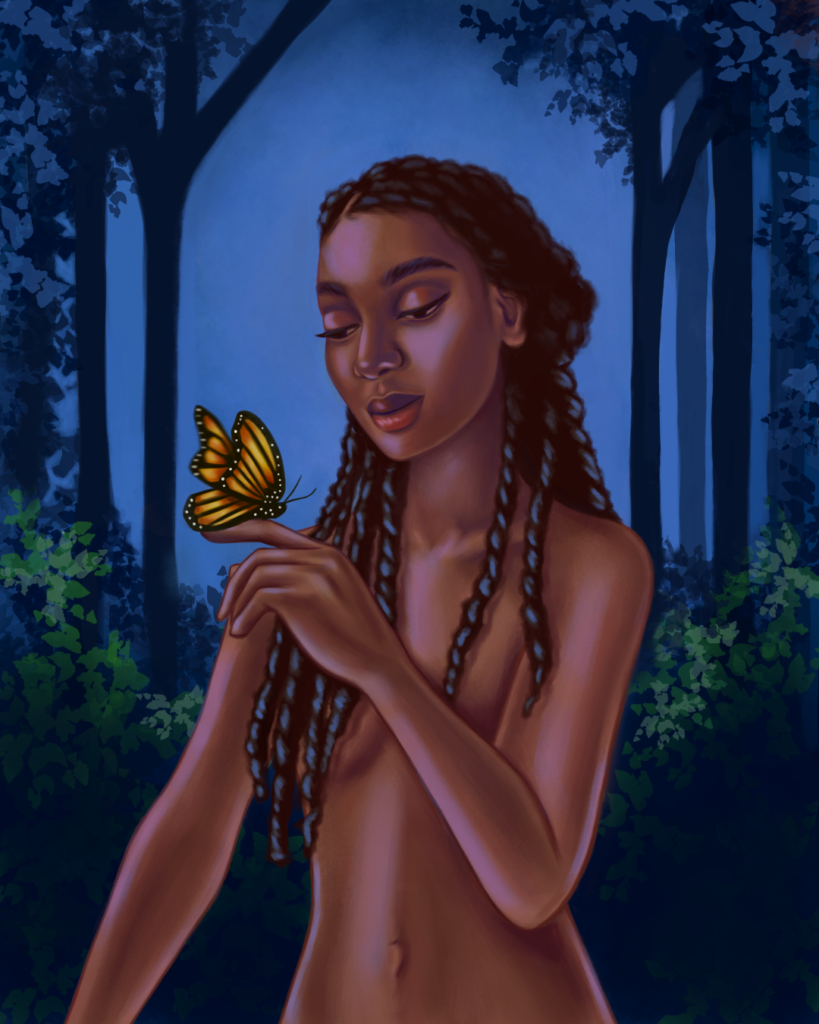
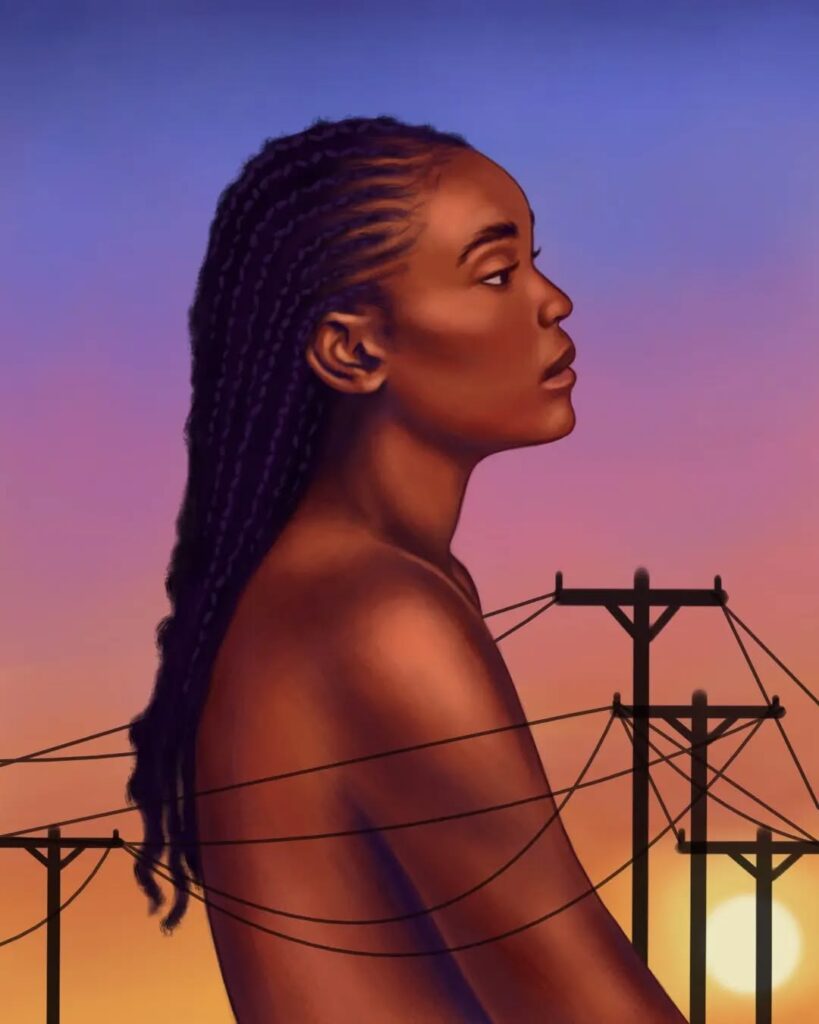
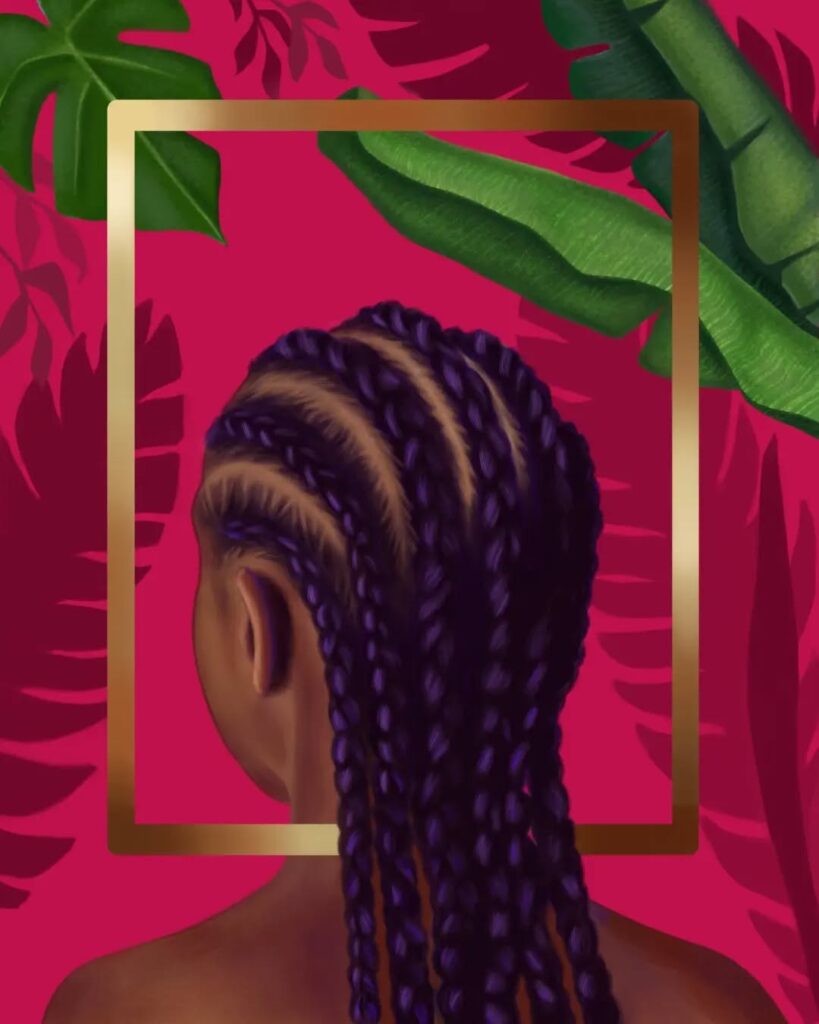
At this point, I thought this was it for me! Traditional and digital art were my two loves. Nothing could replace pushing paint or pixels around in order to create a beautiful picture. I was wrong.
For some time, prior to this, I had actually considered pursuing a path as a Graphic Designer. It seemed like a great way to pursue a creative path while still benefiting from a sense of structure and job stability, compared to the traditional artist path. But I feared that it didn’t allow for much creative freedom, having to meet the needs of clients. Hence my apprehension. Nevertheless, it seemed that my creative appetite hadn’t yet been fulfilled.
Out of curiosity, I began watching designers on YouTube, paying attention to the projects they worked on and their process. I soon discovered that a lot of personal creativity could actually be infused into larger scaled projects for clients. I looked on as these designers injected their own style and flair into the projects they worked on and felt my own creative urges begin to stir once again.
I wanted to see what I could come up with if given similar prompts. But with no formal background as a designer or any prospective clients, I decided to come up with my own projects. I designed user interfaces for a meal delivery app, a social gathering app and a website for a personal trainer within the span of three months. I also experimented with ad concepts for different well known brands.
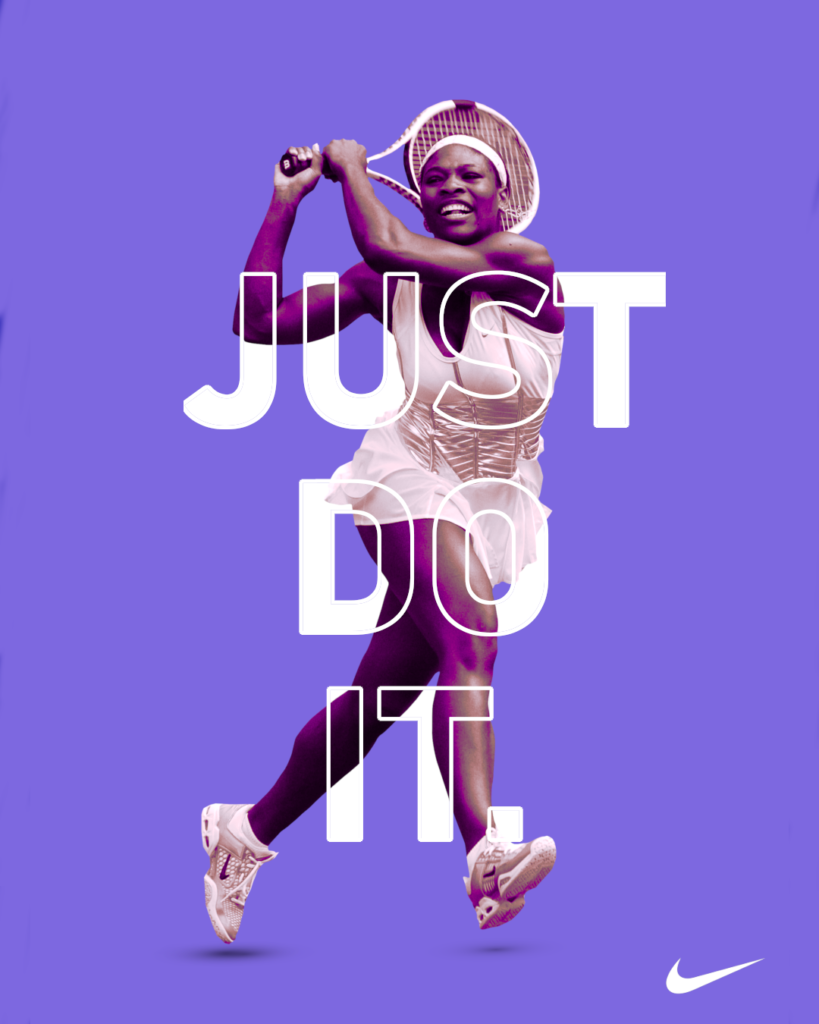
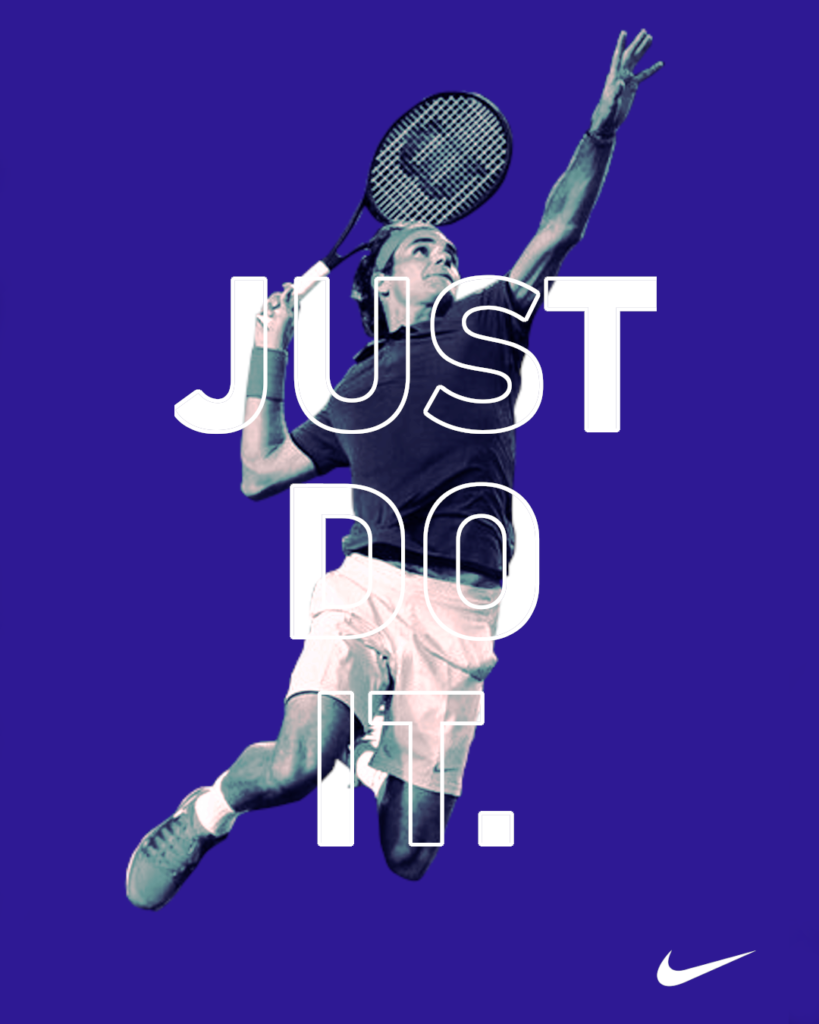
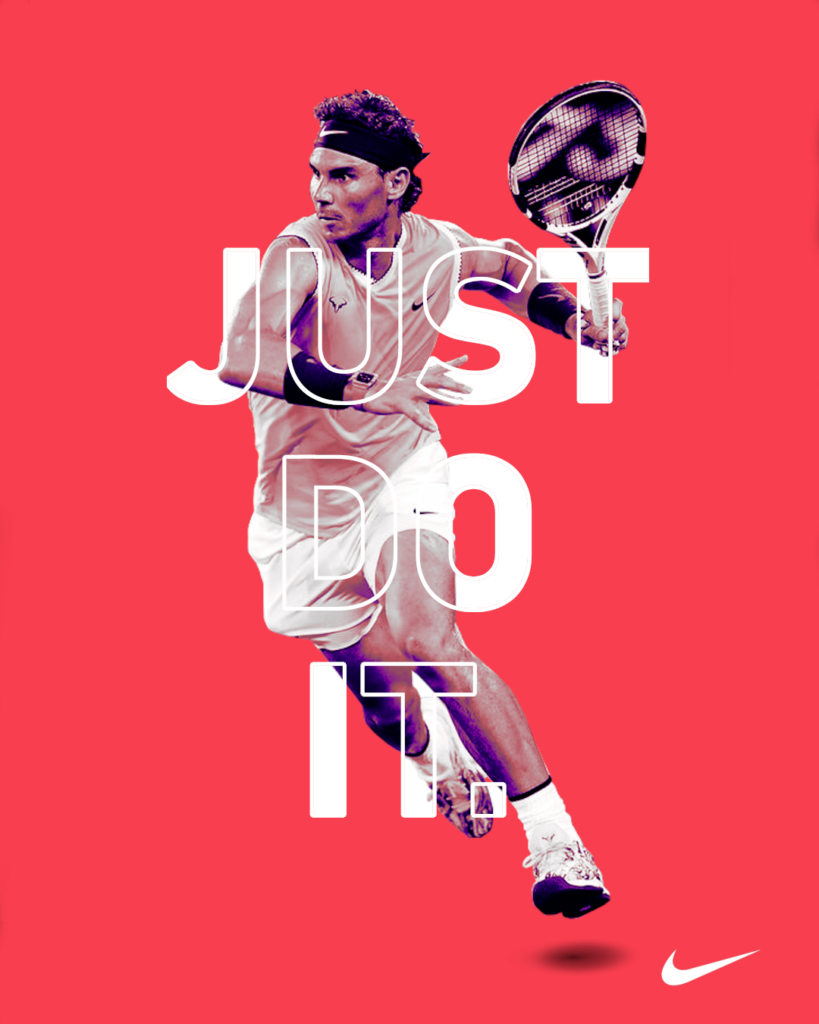

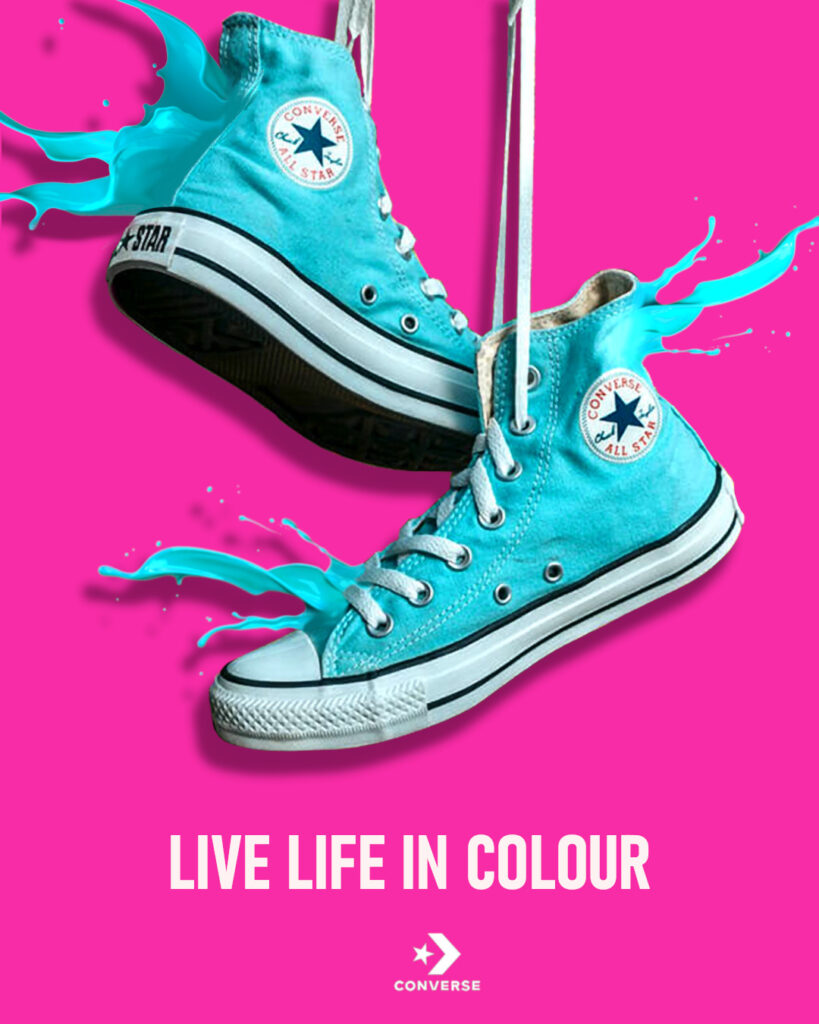
During this time, I utilized free, open source software such as Inkscape and GIMP in order to bring my ideas to life.
I soon realised that there need not be a limit as to how I chose to express myself creatively and artistically. The type of art you create and the tools you use need not be confined either. A well executed painting is just as valuable as a strategically designed brand or user interface. Moreover, as a creative, each tool you experiment with is just one more asset you can use to your advantage.
Truth be told, I love creating traditional art, digital art and now, bringing ideas to life through design. And I look forward to creating via each of these mediums for years to come.
Catch you in the next one,
Naomi
Love love love and can’t wait to read and learn more.
Thank you, Tishure! I can’t wait to share more.